Steam games that use AI for art
Every game whose Steam AI disclosure mentions AI in its in-game art, sprites, textures, 3d models: generated, assisted, or mentioned without detail.
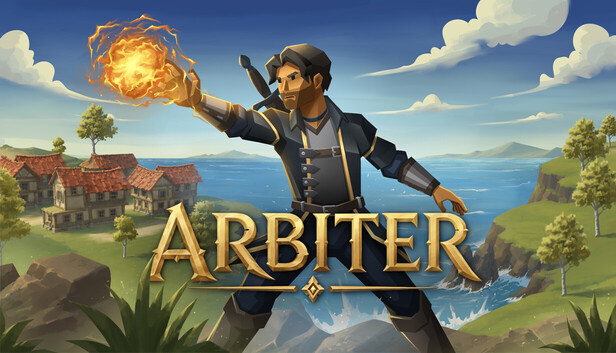
- Arbiter
Some of the images used in the game's user interface were made with AI.
- Skies End
AI generated the game's code and textures.
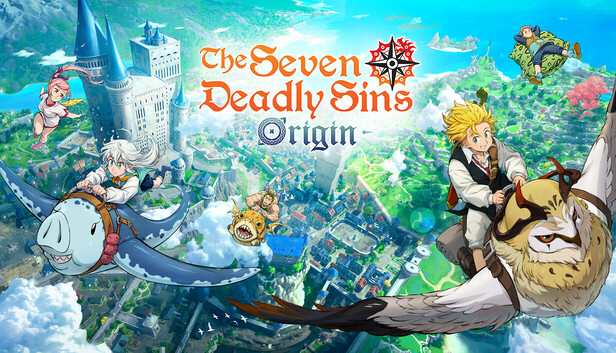
- The Seven Deadly Sins: Origin
AI tools were used in a limited way to create certain 2D prop assets, some soundtrack pieces, and some language localizations, with team review and final touches.
- Myrridon
AI image generation produced some 2D game assets, such as item icons, UI backgrounds, or character portraits.
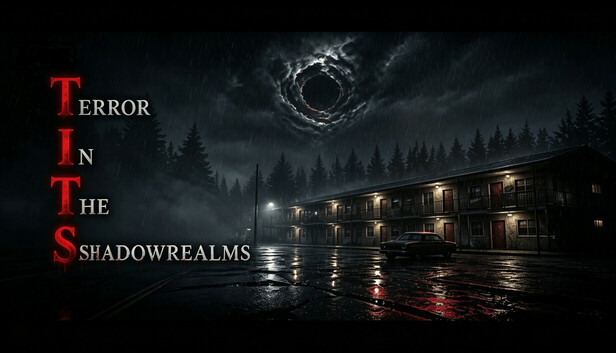
- Terror In The Shadowrealms
Some of the game's artwork is AI-generated; the developer does not specify which pieces.
- Fly Cowboy Online
AI-generated images are used in the game during Early Access; quest dialogue and code are human-written, and the world is manually assembled.
- Call of Duty®: Black Ops 7
The developers used generative AI tools to help develop some unspecified in-game assets.
- King of Jewelry
AI-generated reference material was used in early concept and style exploration; the developers state final art, story and characters were human-made.
- Mumble Pines: The Arrival
The developer states AI was used during the game's creation but does not say which assets or parts were affected.
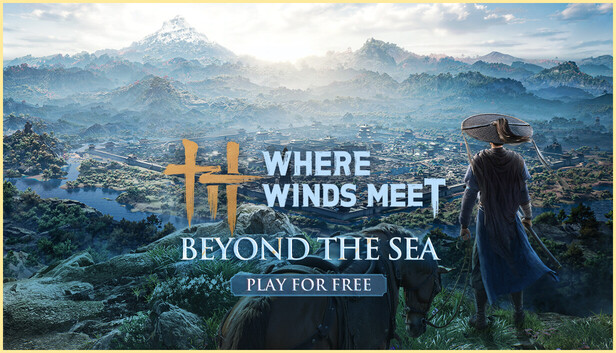
- Where Winds Meet
NPC dialogue text and voice chat are AI-generated in real time during play, and optional AI generates character faces from uploaded images or audio.
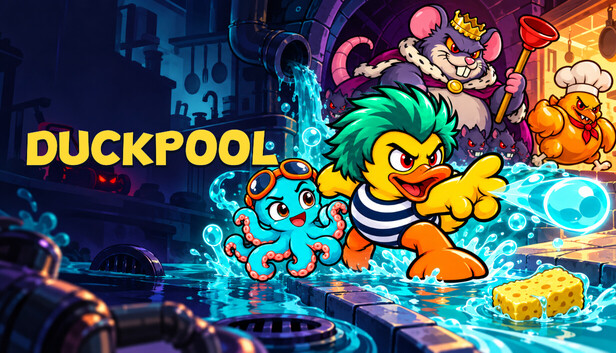
- Duckpool
Some game assets and marketing materials started from generative AI output, then were heavily modified by hand; no AI generation occurs during gameplay.
- Blue Archive
Procedural and AI-based tools may support content creation, and a TTS tool produces some voice lines for the characters Arona and Plana.
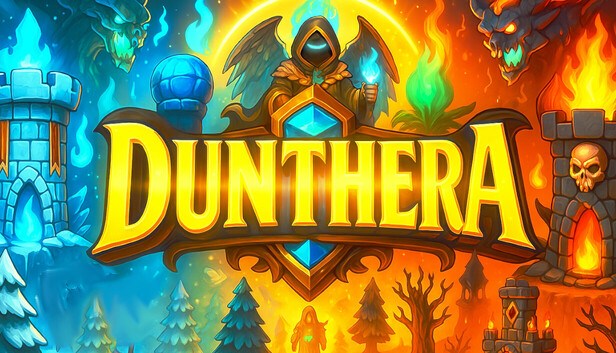
- Dunthera - Tower Defense
AI was used for descriptions, localization between languages, and visuals, with no detail on how it was applied.
- Dawn of Irkalla
Some 3D models and images were AI-generated and code was written with AI assistance; story, lore, level design and music were made by the developers or licensed.
- Retro Racers
Generative AI created some pre-rendered images shown in the game's menus and user interface.
- Ward Off Evil
No generative AI assets; 'smart' tools like re-shading and pixelisation from photographs were used on some 2D assets, which were otherwise made by hand.
- Fling your Friends TD - Tower Defense
The disclosure mentions miscellaneous UI sprites without saying how AI was used for them.
- AION 2
Arcana card designs and some icons use AI-generated assets; other in-game assets were made with unspecified AI tool assistance.
- Kitchen Traitor
AI tools assisted with programming and content-production scripts, and a menu background illustration was made with generative AI; nothing is generated during gameplay.
- Bank Simulator
Some in-game graphics and visual assets were AI-created, and the store page images and descriptions were AI-generated.
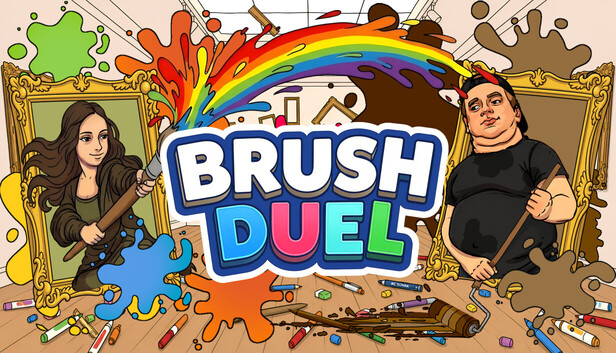
- Brush duel
AI was used to make all in-game images share a consistent visual style.
- Crimson Desert Enhanced
Generative AI supported creation of some 2D prop assets, which the developers' art and development teams later replaced.
- Anno 117: Pax Romana
AI tools were used to help create some unspecified in-game assets, which the developers say were finished by the team.
- Some Things Stay Broken
Generative AI created or assisted with art, prerecorded voices, music, sound effects, narrative text and store materials; nothing is generated during play.
- ASPIS
AI tools were used for select music tracks, voice-over lines, and visual assets; the rest was designed by the solo developer.
- Market master Simulator
Some voice lines, sound effects and images (logo, icons, store artwork) were AI-created and team-reviewed; translations were made with AI assistance.
- F1® 25
Generative AI may have been used for pre-rendered or live-generated content, under a human-led creative process; specific assets are not named.
- Barely Running
Generative AI made store page graphics and in-game textures, and helped write part of the game code.
- World of Warships: Legends
Generative AI was used in development for unit testing and some art elements, reviewed by the team; final core assets are human-made.
- Killer Santa 1990
Generative AI was used to create or modify some unspecified audio and visual assets in the game.
- TCG: FANTASY Card Collection
AI tools were used for post-processing existing graphics (color correction, lighting, minor detail enhancement); original illustrations are human-made and nothing is generated during gameplay.
- Esports Manager 2026
AI generated players' faces and in-game logos used in the game.
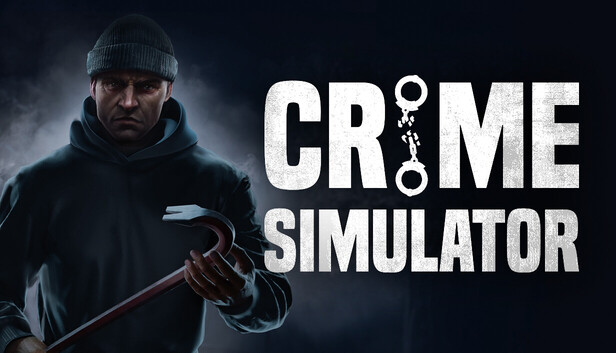
- Crime Simulator
AI tools helped generate parts of some in-game images, which human artists then edited, refined and finalized.
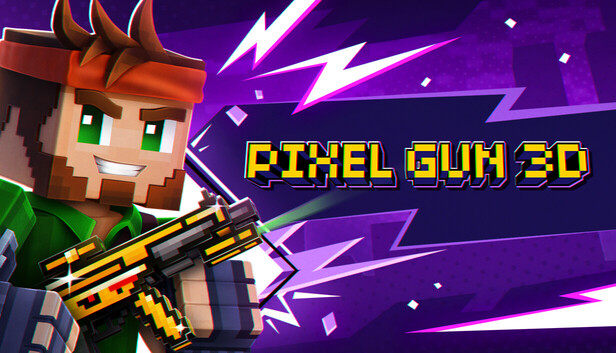
- Pixel Gun 3D: PC Edition
Generative AI was used for a very limited portion of in-game graphic assets and certain marketing materials, with human oversight.
- inZOI
Players generate textures, 3D objects and character motions from text, image and video input, and SLM text influences character behavior; AI tools also assist content creation and localization, with human review.
- Halloween Tidy Up
Generative AI tools were used to create and refine portions of the game's visual artwork and assets, which the developer edited and reviewed.
- Devices Tycoon
Generative AI was used to help create some fictional company logos that appear in the game.
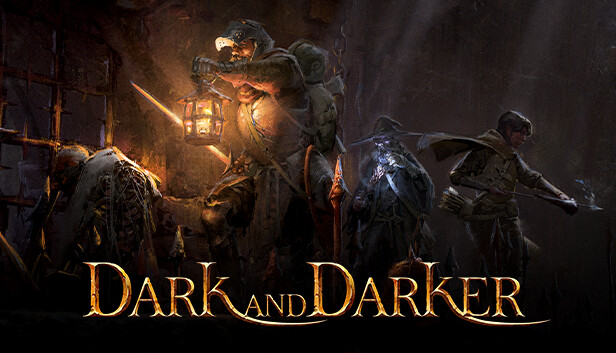
- Dark and Darker
The developer says AI-powered tools are now used in content creation, while core elements of the game are still made by people.
- Call of Duty®: Warzone™
The developer used generative AI tools to help develop some unspecified in-game assets.
- Call of Duty®
The developer used generative AI tools to help develop some unspecified in-game assets.